Hollywood: The Oral History
Now that it’s over, I can look back on it and be honest with myself: I just spent a few weeks in love with a book. This book.
Thinking about it all day long. Waiting to be with it again. And fearing the moment when it would end. It’s all over now but I’m grateful that I could live this and will always fondly remember those blessed days.
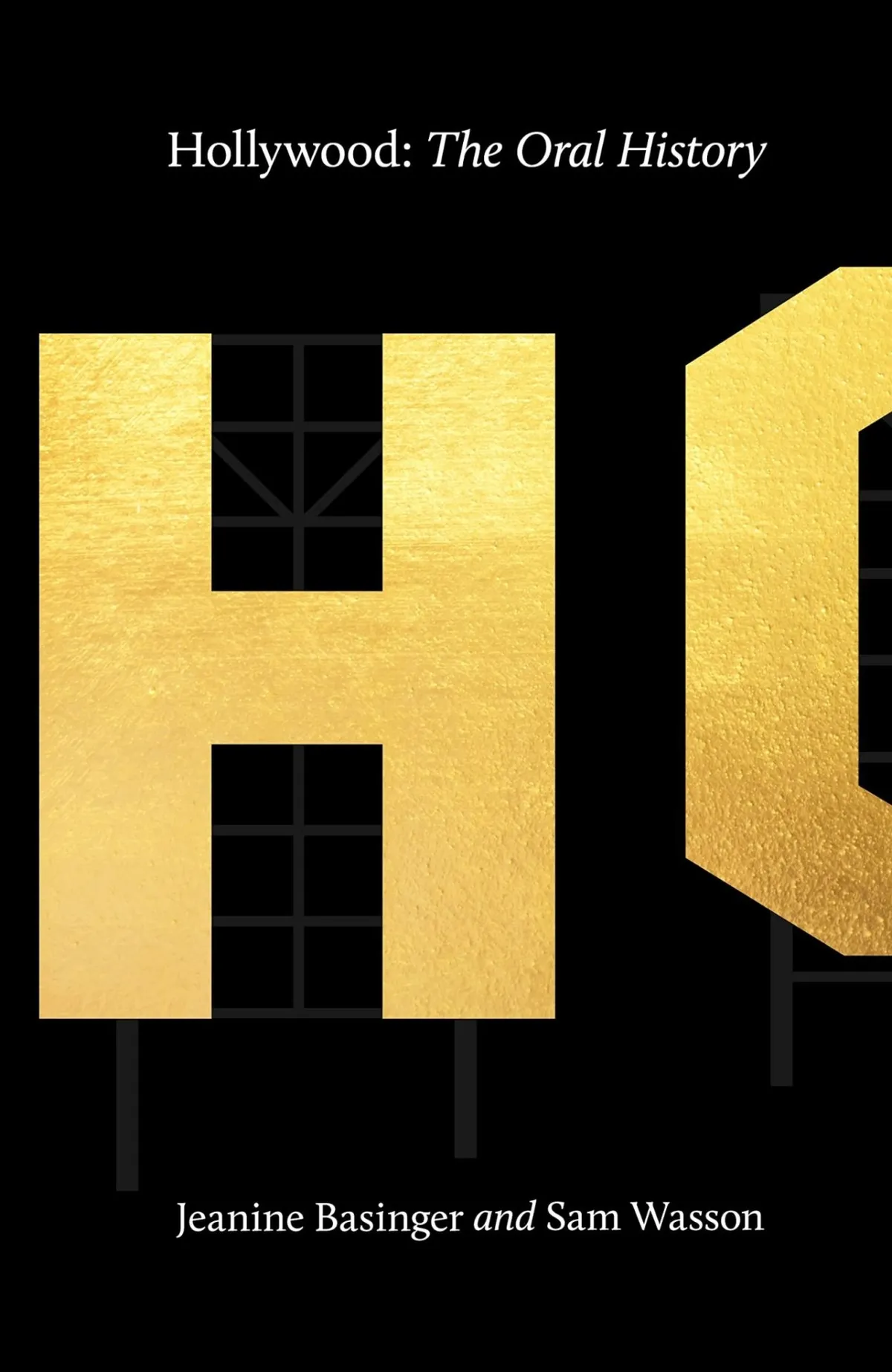
Where to start?
The first thing is that I’m really fond of the Oral History format. I’ve read some music books written like that (about punk, Seattle, Merge Records, Creedence Clearwater Revival, Lynyrd Skynyrd, Nirvana etc.) and it’s so enjoyable to just listen to what people have to say in their own words. I never get tired of it.
Then what?
I’m the regular french film geek you might imagine: I’ve mainly read books about/by directors and screenwriters. Other than that, I haven’t explored much. I’ve read a few books about/by cinematographers, music composers, and editors but it’s no more than 10 books, I’m pretty sure about it. So, with all these Hollywood professionals interviewed (including producers, continuity supervisors, production designers, makeup artists, costume designers and more) I was fullfilled. It was like seeing missing pieces of a puzzle come to life.
Personal bangs
There is a huge part of my head that is stuffed with credit films names that are disembodied. I see them everywhere, they’re in many of my fave films but I know litterally nothing about them. Arthur Freed, Stanley Cortez, Edith Head, Pandro Berman, Cedric Gibbons, James Wong Howe, Hal Wallis, Hal Mohr, I.A.L. Diamond, William Tuttle, Bronislaw Kaper, you name it.
To be able to hear them, to see that they’re more than a name on the opening credits, it’s a miracle (and eventually knowing how Mamoulian and Cukor landed in Hollwyood is priceless).
Thanks
First of all, thanks to the American Film Institute for having interviewed all these people during all those years <3
Then, thanks to the “authors” (editors?) of the book, Jeanine Basinger and Sam Wasson, for the smooth storytelling that gave a shape to all those sources. The 700+ pages are so easy to read, so interesting, I can’t imagine how difficult it must have been to get to that point.
Humble Request to the kind people of AFI
There were a few moments when Billy Wilder and long-time friend and screenwriter collaborator I.A.L Diamond seemed to talk on the same topic, I guess they were interviewed together.
Please make a book out of it. Please do it.
Or a short written piece if there isn’t much material.
They seemed to be so well-rounded together (with some as-usual incredible punchlines from Billy Wilder) that it just makes you want more.
And you, friendly lonely reader that landed here, if you have more readings like this one, please let me know!